SEO in 2026: AI, Search Intent & What Actually Works Now
Stop using outdated SEO tactics. Discover the definitive SEO 2026 trends, how AI is changing search intent, and the strategies that actually rank today.
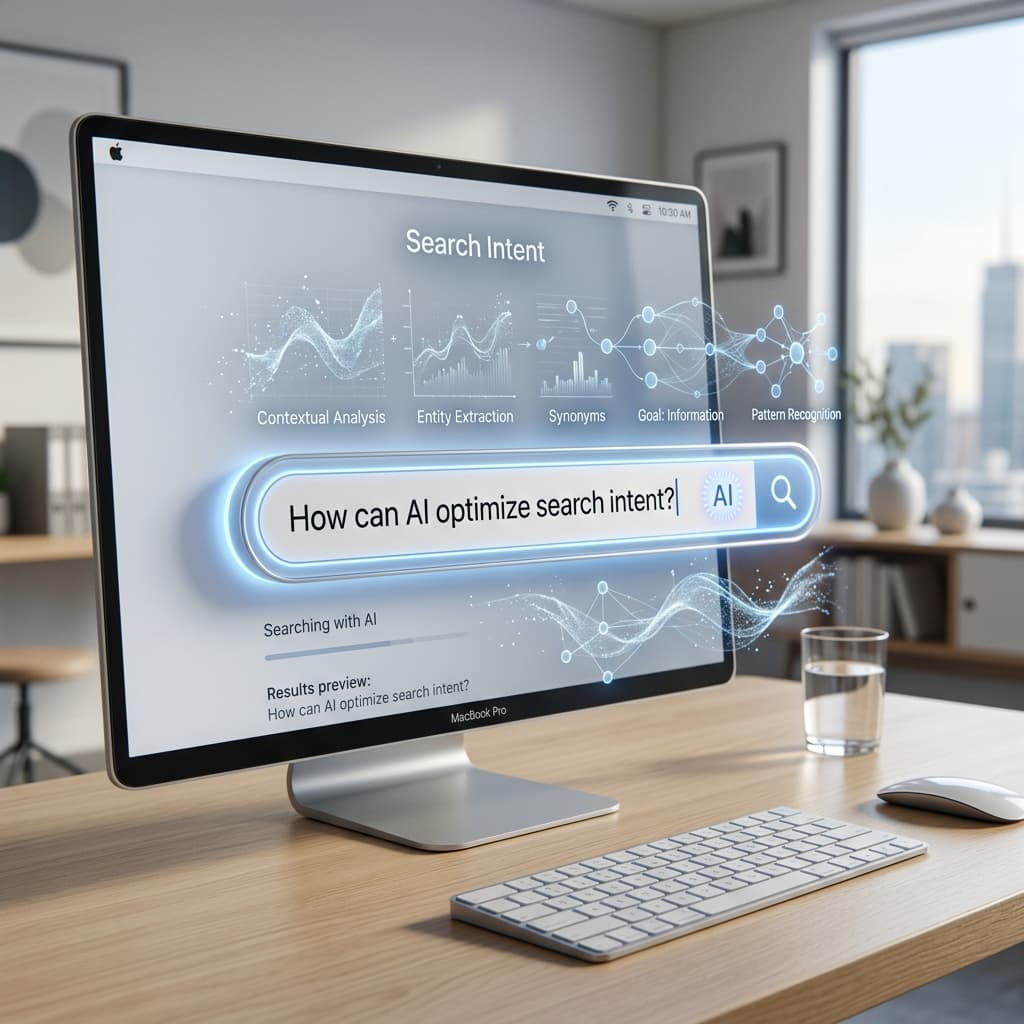
Let’s get one thing straight right out of the gate: SEO is not dead. It never died. But the SEO you learned in 2021? Yeah, that version is absolutely buried.
If you're still relying on keyword density, buying sketchy backlinks, and writing 500-word generic blog posts hoping to rank on page one, you are playing a game that ended years ago. We are in 2026. The search landscape has fundamentally shifted, and AI hasn’t just entered the chat—it’s hosting the entire conversation.
Here is the brutal truth that most businesses get wrong: They are trying to optimize for an algorithm, while Google is trying to optimize for a human. If you bridge that gap, you win. If you don't, you disappear into the abyss of page three.
So, what are the actual SEO 2026 trends that move the needle? Let’s break down the science of modern search and how you can build a strategy that doesn’t just survive AI, but thrives on it.
The AI Revolution: SGE and The Zero-Click Reality
Google's Search Generative Experience (SGE) has matured. When a user types a query, they often get an AI-generated summary right at the top of the page. No clicking required.
Panic ensued in the SEO community when this first rolled out. “Zero-click searches are going to kill traffic!”
Yes, zero-click searches have increased. If someone asks, "What time is the Super Bowl?", they get the answer and leave. But here is what you need to understand: You never wanted that traffic anyway. That traffic doesn't convert.
AI answers basic, top-of-funnel queries. What AI cannot do is provide nuanced, experiential, deeply strategic advice.
How to adapt:
Stop writing dictionary definitions. If your article starts with "In today's fast-paced digital world, SEO stands for Search Engine Optimization...", you have already lost.
Shift your focus to Experience, Expertise, Authoritativeness, and Trustworthiness (E-E-A-T). Google explicitly looks for content written by practitioners who have actually done the thing.
Read Next: The Complete Digital Marketing System: Why Random Tactics Don’t Work
Search Intent is the Only Metric That Matters
Keywords are the map; search intent is the destination.
You can rank #1 for a massive keyword, but if the intent of the searcher doesn't align with what’s on your page, your bounce rate will skyrocket, and Google will drop your ranking in a matter of days.
Let's look at a scenario. Someone searches for "CRM software". Are they: A) Looking for the definition of CRM? (Informational) B) Looking for the top 10 CRM platforms? (Commercial Investigation) C) Looking to buy Salesforce right now? (Transactional)
If you have a landing page selling a CRM, but Google has determined the intent for that query is Informational, you will never rank. Period.
Quick check: Are you doing this?
Before you write a single word of content, do you actually Google the primary keyword and analyze what is currently ranking? If the entire first page is made up of listicles (e.g., "Top 10 Tools"), and you are trying to rank a sales page, you are fighting a losing battle. Match the intent first, optimize second.
The Death of the "SEO Writer" and the Rise of Subject Matter Experts
For a long time, the model was simple: Hire a freelance writer for $50, give them a keyword, and have them write 1,500 words. AI can do that in 4 seconds for free.
To stand out in the SEO 2026 trends, your content must have an original point of view. It needs to include:
- Original data or proprietary research.
- Frameworks that you have personally developed.
- Strong opinions that challenge industry norms.
- Real-world examples and case studies.
Google's algorithms are incredibly sophisticated at detecting "information gain"—which basically means, does this page say anything new, or is it just repeating what the other 10 pages said?
If you want to rank, you need to interview your internal experts. Get the brilliant ideas out of your CEO's head and onto the page. That is the content that survives AI.
Technical SEO: The Silent Killer
You can write the greatest, most insightful piece of content in the history of the internet, but if your website’s technical architecture is broken, it’s like building a mansion on a swamp.
Technical SEO in 2026 isn't just about XML sitemaps and robots.txt. It’s about seamless, frictionless user experiences.
1. Core Web Vitals are Non-Negotiable
Speed is no longer a luxury; it’s a prerequisite. If your site takes longer than 2.5 seconds to paint its largest content element (LCP), you are actively being penalized. Heavy images, bloated JavaScript, and poor server response times are killing your rankings. (Learn how to measure and improve your scores in my guide: Core Web Vitals Explained).
2. Structured Data: The Bridge to AI
If you want AI models to understand your content, you need to speak their language. Implementing JSON-LD Schema Markup is no longer optional—it's how you define your entities for search engines. Read more about Structured Data and JSON-LD.
2. Mobile-First is Now Mobile-Only
Google crawls the mobile version of your site. If your desktop site looks beautiful but your mobile site is a cluttered, unreadable mess, Google will rank you based on the mess.
The New Backlink Economy: Quality Over Quantity
In 2026, the volume of backlinks matters significantly less than the relevance and authority of those links.
Google’s SpamBrain AI is exceptionally good at detecting unnatural link patterns. Buying 500 links from a PBN (Private Blog Network) will get your site de-indexed faster than you can say "algorithm update."
What actually works now?
- Digital PR: Earning links from high-tier publications by providing original data, expert commentary, or newsworthy stories.
- Tool Creation: Building free, valuable tools (like calculators or templates) that people naturally want to link to.
- Partner Integration: Genuine links from software partners, vendors, or industry associations you actually work with.
The Ultimate Filter: Does This Help the User?
If you feel overwhelmed by the technicalities of SEO 2026 trends, fall back on this single guiding principle: Does this page provide the best possible answer to the user's query in the most accessible format?
Stop obsessing over the algorithm and start obsessing over your user. Provide immense value, format it beautifully, ensure your site loads instantly, and establish your authority. The rankings will follow.
Need help navigating the new search landscape? If your organic traffic has flatlined or you’re tired of losing out to competitors who have inferior products but better SEO, it’s time to rethink your strategy. Let's fix your SEO.
Tags